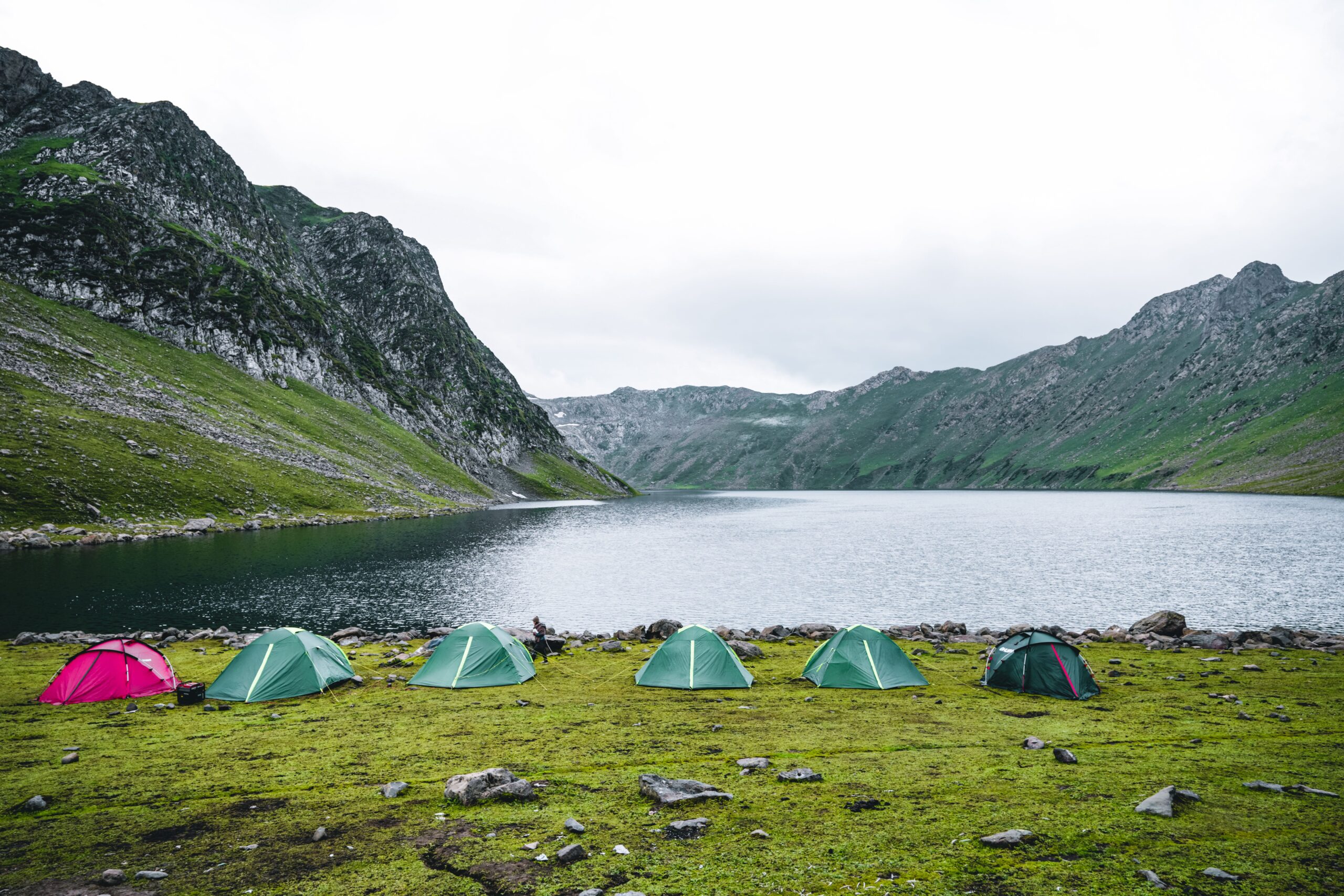
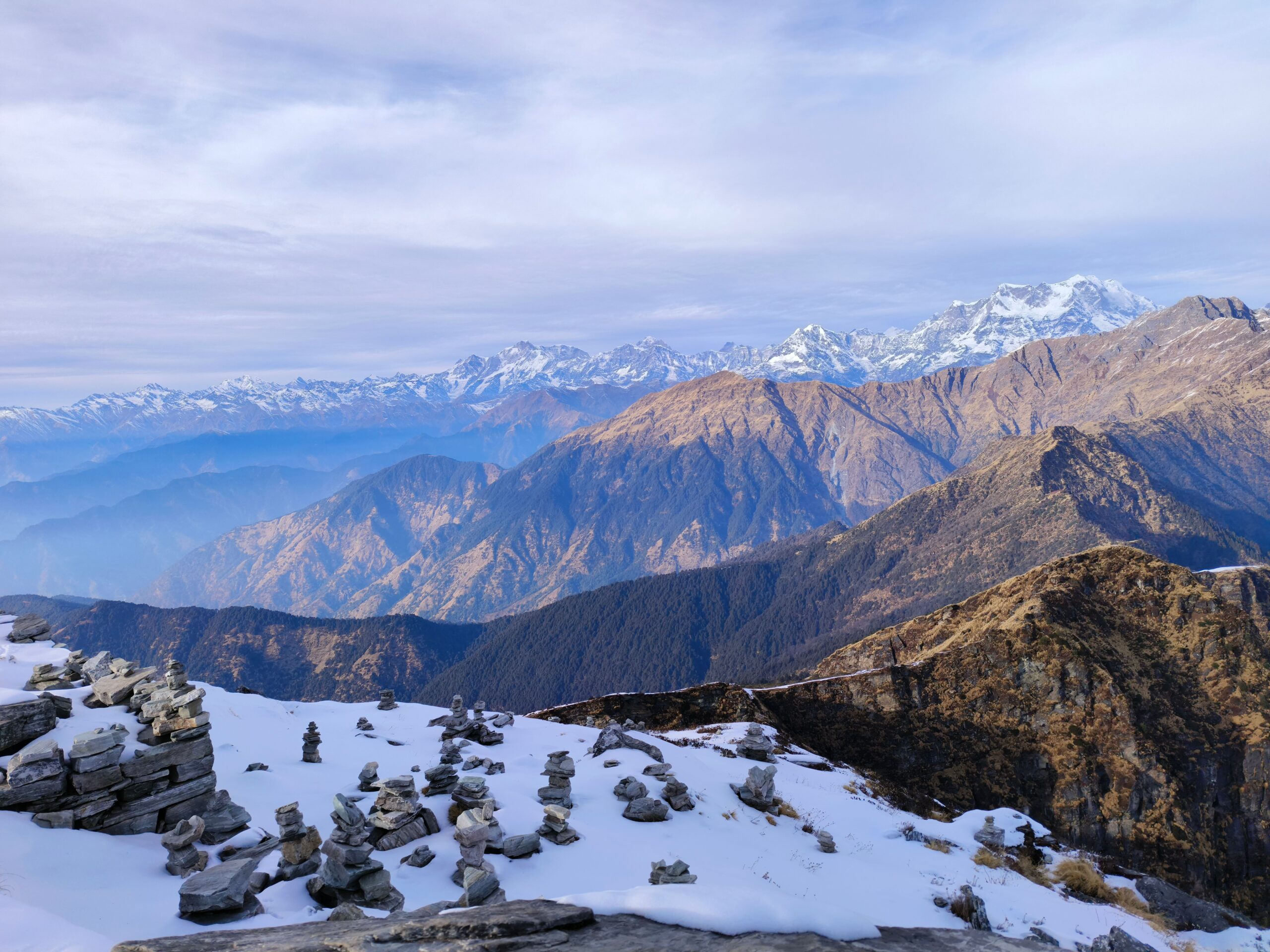
January is one of the best months to plan the Kuari Pass Trek if you want winter trails, snow-covered forests and views of the high Garhwal peaks. Snow is likely on the higher trail, but fresh snowfall and snow depth are never guaranteed. Cold weather, icy patches and shorter daylight can also make the trek harder than it is in warmer months. You should go with a trained trek leader, carry proper winter gear and keep a spare day in your travel plan.
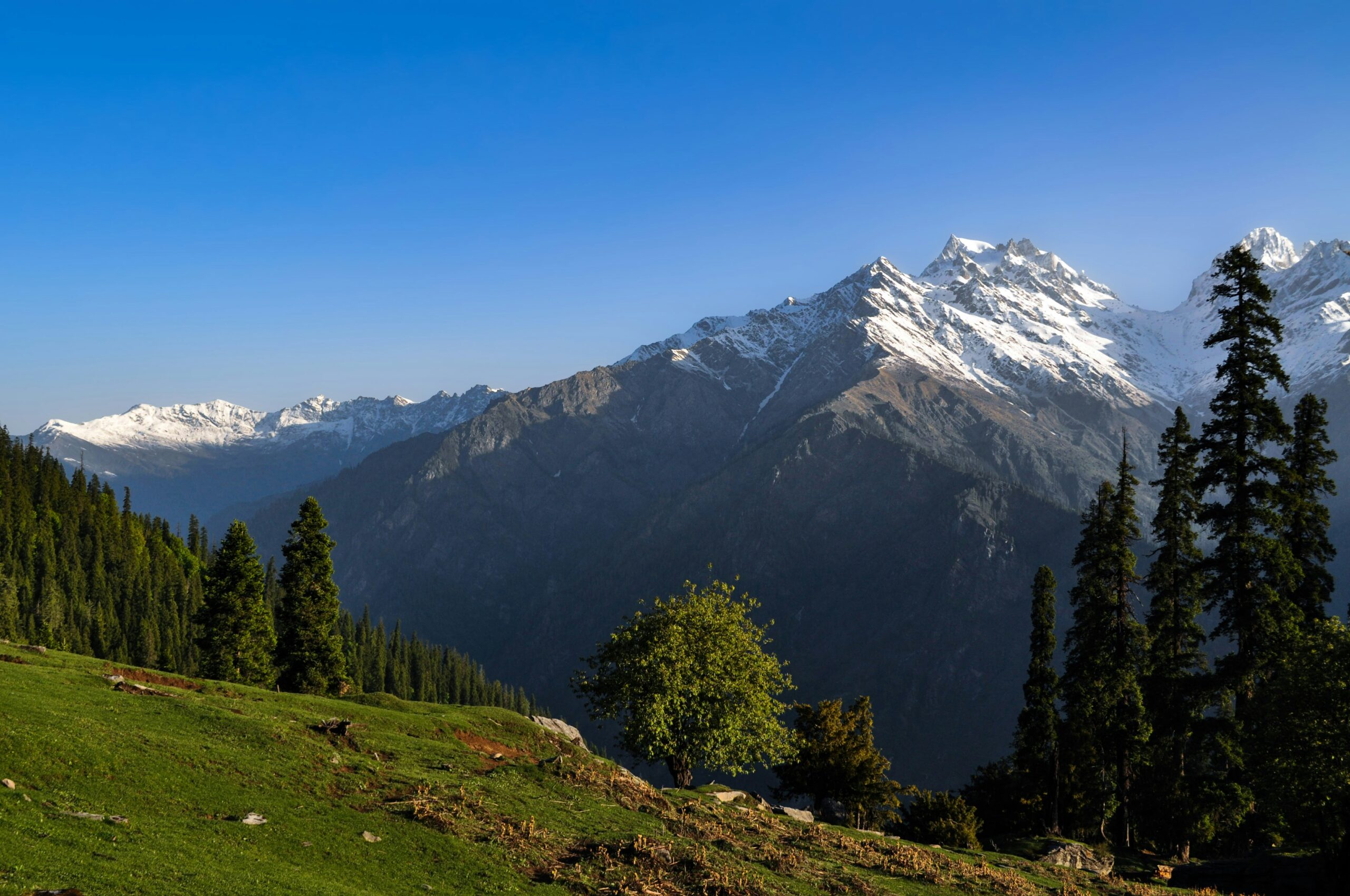
The key decision is whether you want a true winter trek or mainly want clear mountain views. January can offer both, but the weather may change the route or hide the peaks. Here is what to expect before you book.
Is There Snow on the Kuari Pass Trek in January?
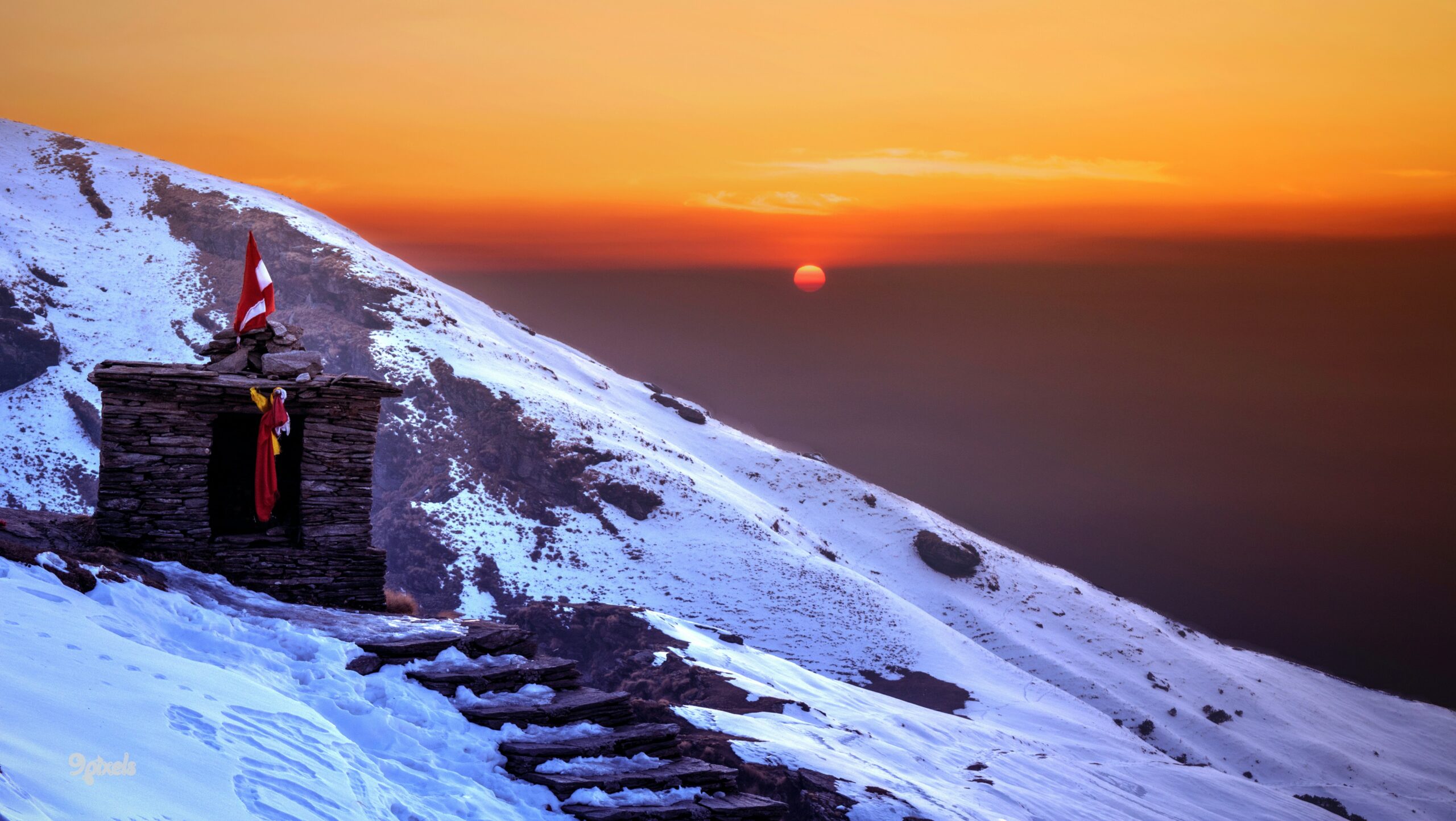
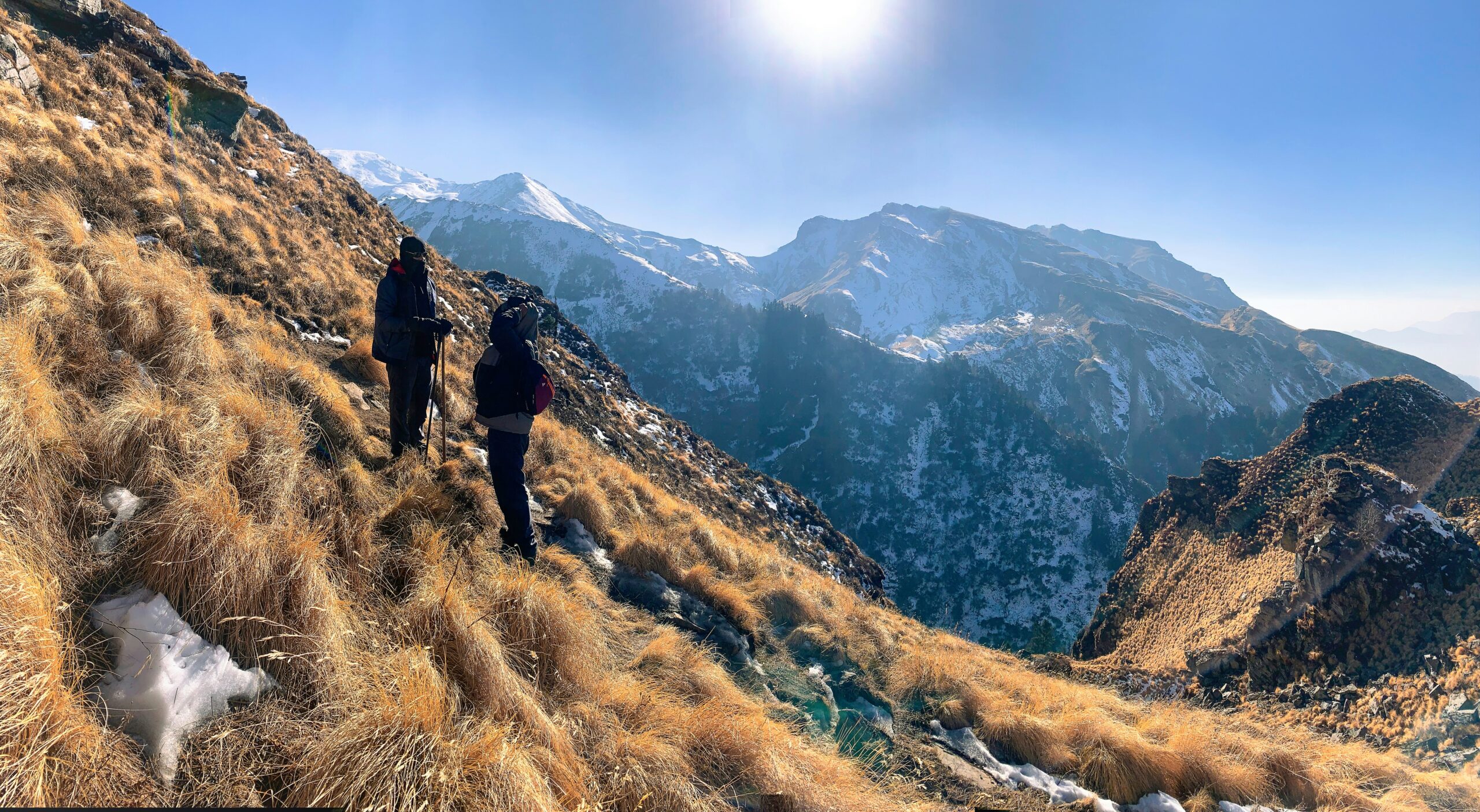
Yes, snow is likely on the higher parts of the Kuari Pass trail in January. Forest paths, open meadows and slopes near Khullara can hold snow, while ice may form where water flows across the path. Fresh snow may fall during your trek, but its timing and depth change each year.
The lower road and villages may have little or no snow, even when the upper trail is white. So, do not judge the whole trek by the weather in Joshimath or Auli. Conditions can change as you gain height.
Part of the trek | What January may bring |
Forest trails | Snow under trees, icy patches and slippery ground |
Gulling and Khullara | Snow-covered camps and very cold nights |
Open meadows | Deep or uneven snow after fresh snowfall |
Kuari Pass ridge | Strong winds, icy sections and poor visibility at times |
Lower villages | Cold weather, but less snow than the higher trail |
If your main goal is to walk on fresh snow, ask the trek operator for a recent trail update before leaving home. A snowfall report from a week ago may not describe the trail on your trek date.
Kuari Pass Trek in January: Weather and Temperature
January is one of the coldest months for the Kuari Pass Trek. Daytime weather may feel pleasant in direct sunlight, but shaded forest trails and exposed ridges can feel much colder. At higher camps, night temperatures often fall below freezing and may drop below -10°C during severe cold spells.
The table below gives approximate January temperature ranges at key points along the route. These are planning estimates, not a live forecast. Actual temperatures can change with snowfall, wind, cloud cover and the weather that year.
Location | Approx. altitude | Day temperature | Night temperature |
Joshimath | 6,150 ft | 5°C to 12°C | -3°C to 3°C |
Dhak village | 6,900 ft | 4°C to 10°C | -4°C to 2°C |
Gulling campsite | 9,600 ft | 0°C to 7°C | -7°C to -2°C |
Khullara campsite | 11,000 ft | -3°C to 5°C | -10°C to -5°C |
Kuari Pass | 12,500 ft | -6°C to 2°C | Not usually a planned overnight stop |
Wind can make the exposed trail feel much colder than the temperature shown in the table. Snow may also cover parts of the route, and ice can form on shaded sections. Check the latest local forecast and ask your trek operator about camp temperatures before leaving.
Pack thermal layers, a warm insulated jacket, gloves, a woollen cap and a waterproof outer layer. Your sleeping bag and tent must be suitable for winter conditions. Do not rely on daytime sunshine to keep you warm after sunset.
Day-Wise Route for the Kuari Pass Trek in January
Many winter itineraries take about five or six days, depending on the starting point, camps and operator. A common route uses Joshimath, Dhak or Tugasi, forest camps near Gulling and Khullara, and a return along the trail or through another planned exit. Some operators change their route when snow or weather makes a section unsafe.
Day | Common plan | What to expect in January |
Day 1 | Travel to Joshimath | Mountain road journey; keep a buffer for delays |
Day 2 | Drive to the trailhead and trek towards Gulling or a higher camp | Forest climb, cold shade and possible snow |
Day 3 | Trek towards Khullara | Snow on the trail and colder camp conditions |
Day 4 | Climb towards Kuari Pass or the planned high viewpoint, then return | Often the most demanding day |
Day 5 | Descend towards the roadhead and return to Joshimath | Slippery downhill sections may slow you down |
Day 6 | Travel back, if included in the itinerary | Allow extra time for road delays |
Distances and walking hours differ by route. Some operators plan a summit day from Khullara to Kuari Pass and back, while others use different camps or route lengths. Check the day-wise plan you are booking rather than relying on a generic itinerary.
Altitude and Trail Access in Kuari Pass in January
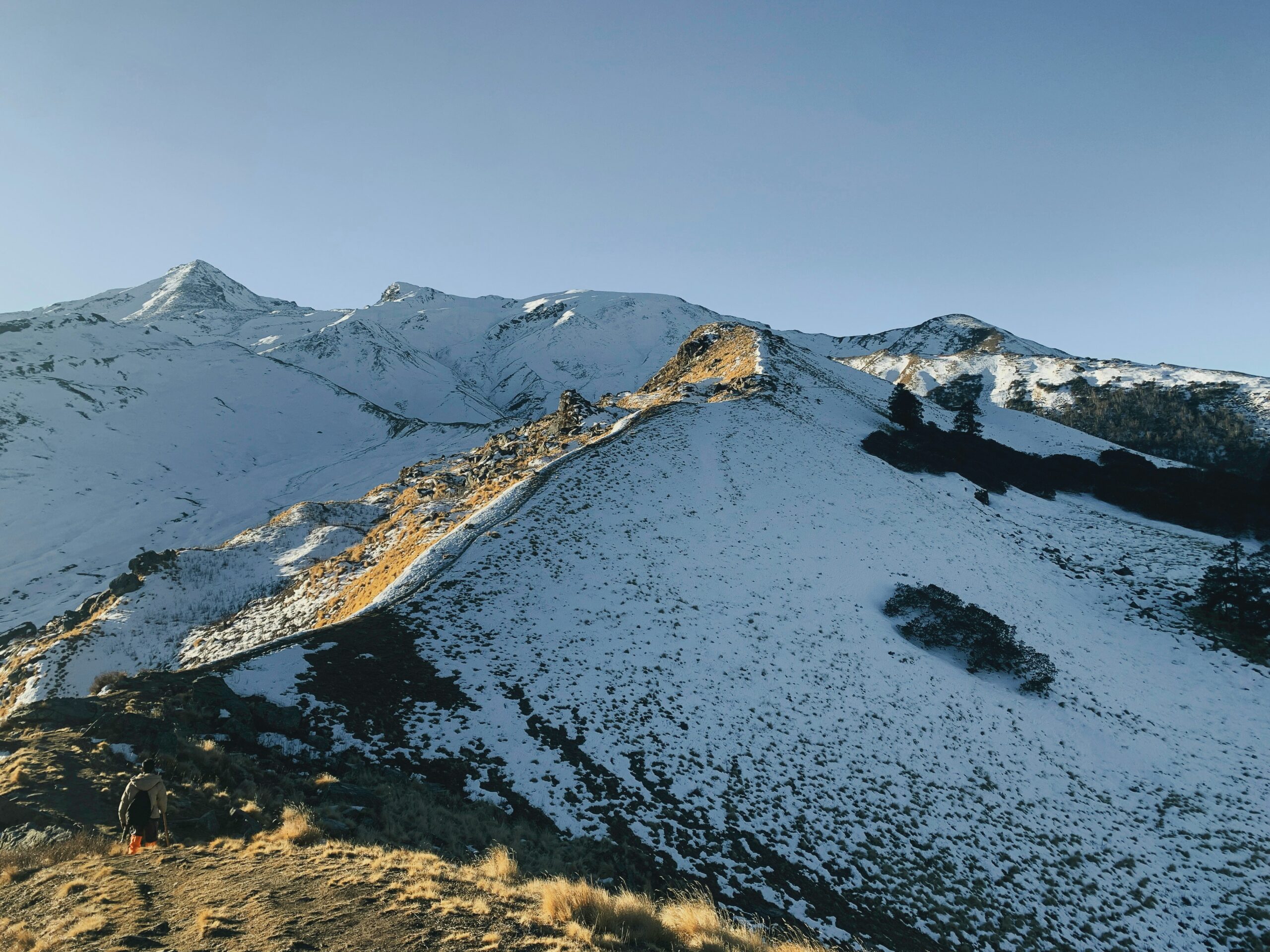
Kuari Pass is around 12,500 ft (3,810 m) above sea level. In January, snow and ice can cover parts of the trail, especially at higher camps and near the pass. The exact snow level depends on recent snowfall and weather. You may find clear sections, packed snow or slippery patches on the same trek.
Access to Kuari Pass can become difficult after fresh snowfall. Roads to the starting point, often around Dhak village or the Auli side, may face delays or temporary closures. The trek leader may change the route, adjust the campsite or stop the group if the trail is too risky. Check road access and trail conditions with your trek operator just before leaving.
Walk slowly on snowy sections and follow your guide’s instructions. Carry warm layers, waterproof shoes and suitable gloves. Ask your operator whether gaiters, trekking poles and microspikes are provided, and do not attempt the pass alone if visibility is poor or the trail is icy.
Frequently Asked Questions
Is January a good time for the Kuari Pass Trek?
Yes, if you want a winter trek and are ready for cold nights and possible snow on the upper trail. If you mainly want clear views and easier walking, consider a warmer month.
Will I definitely see snowfall?
No. Snow may already cover the trail, but fresh snowfall depends on the weather. No operator can promise snowfall on your exact dates.
Can beginners do Kuari Pass in January?
Fit beginners can consider it with training, proper winter gear and an experienced trek team. Beginners who have not trained or lack warm clothing should not take the risk.