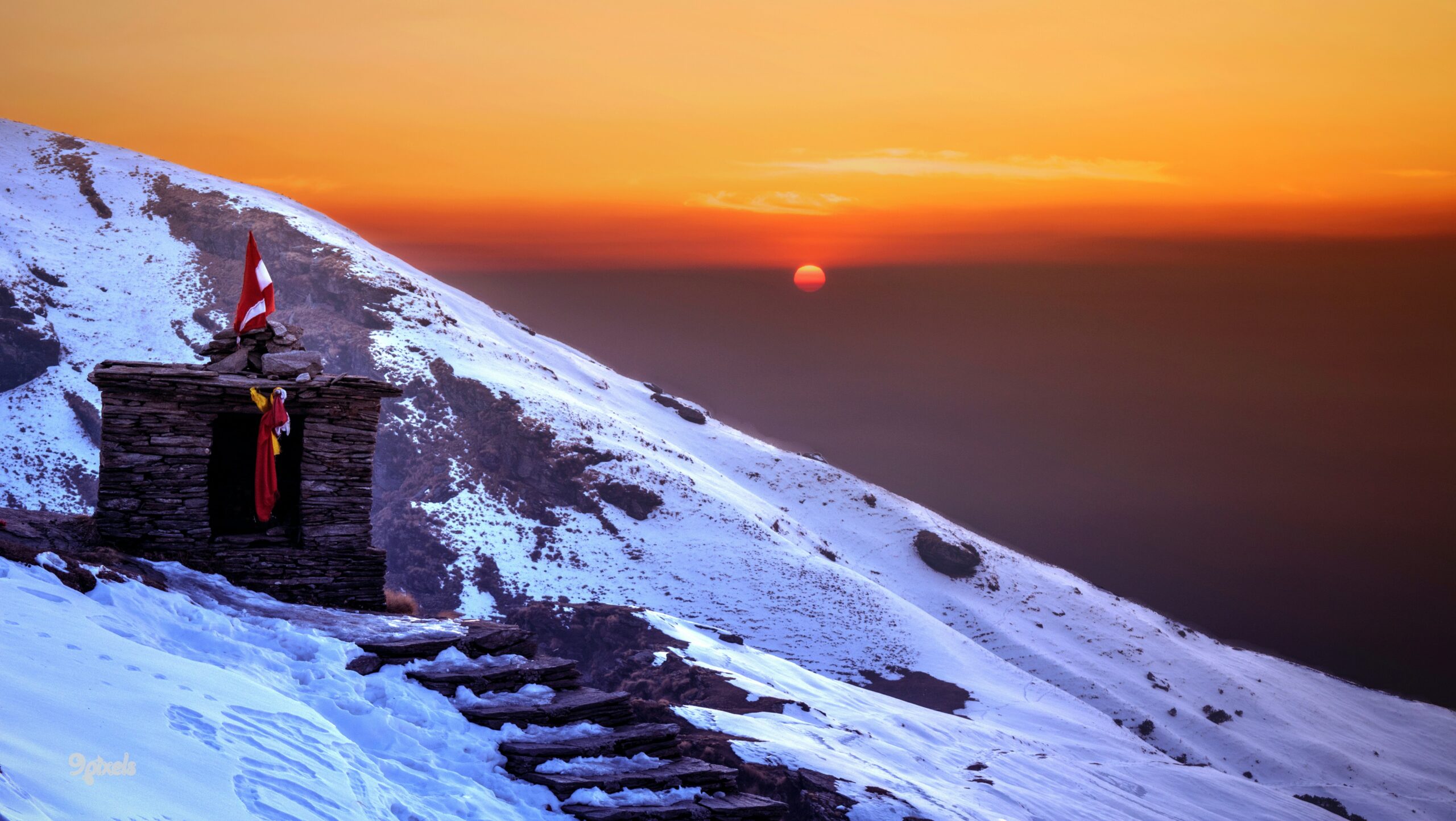
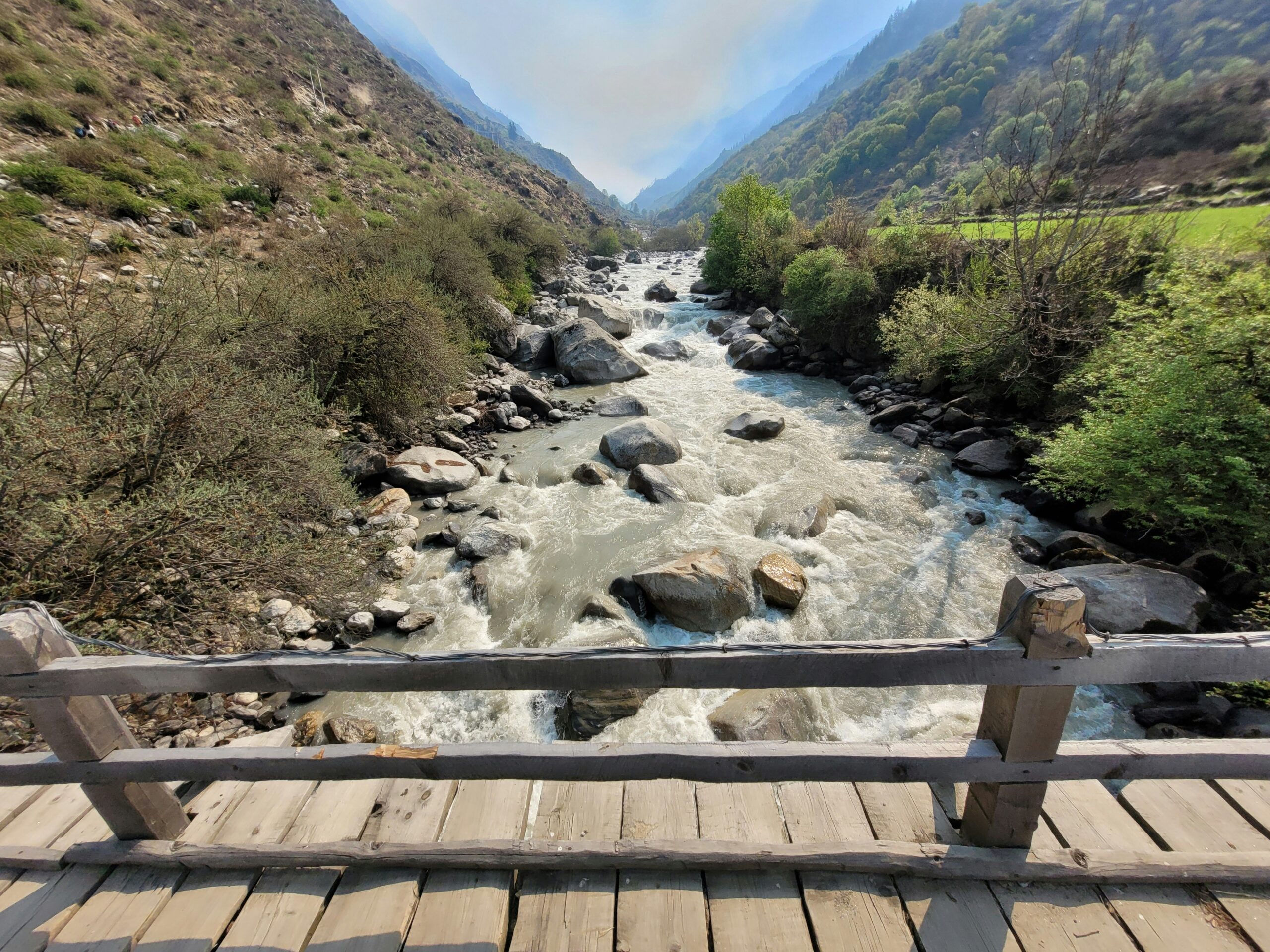
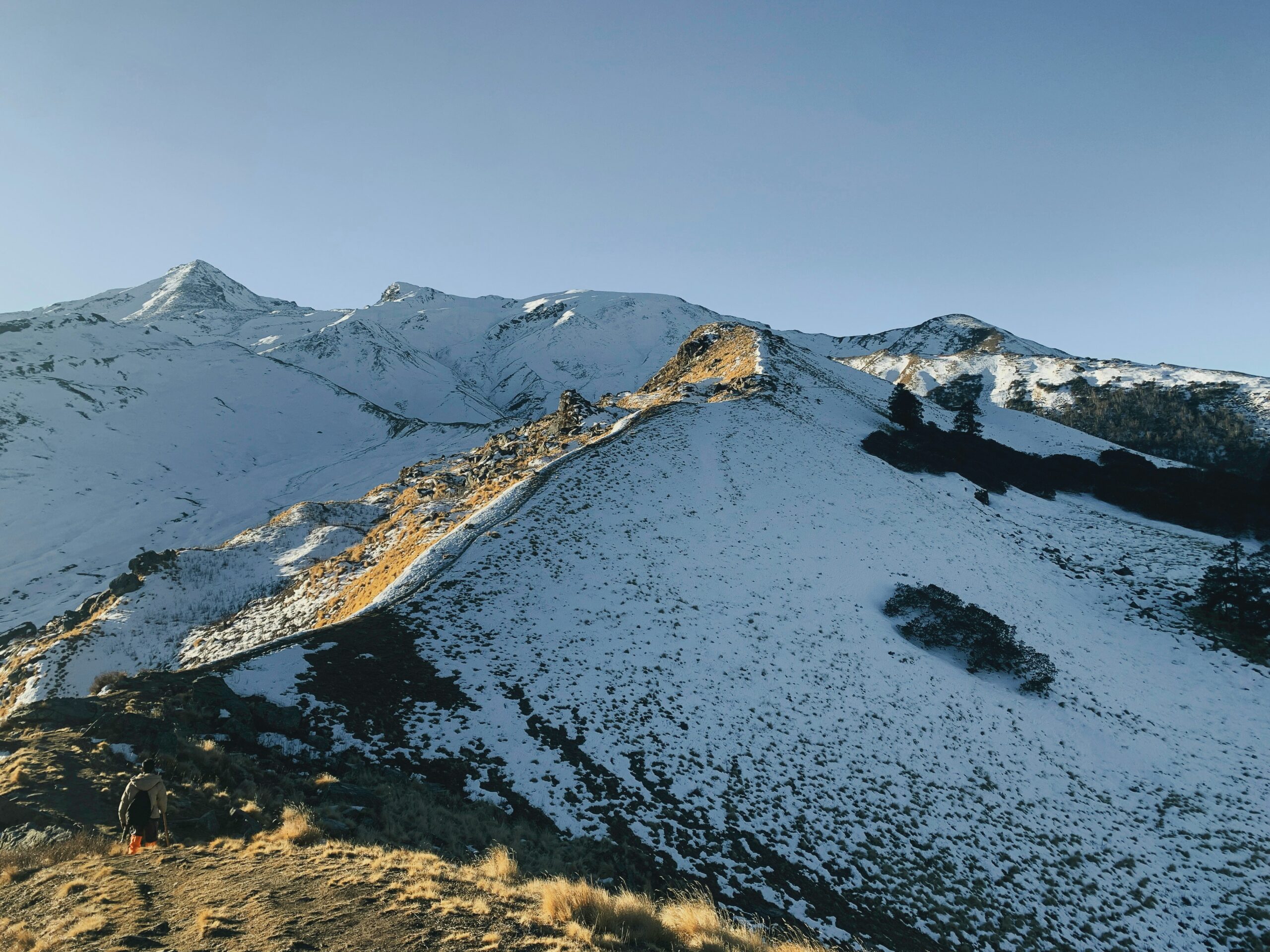
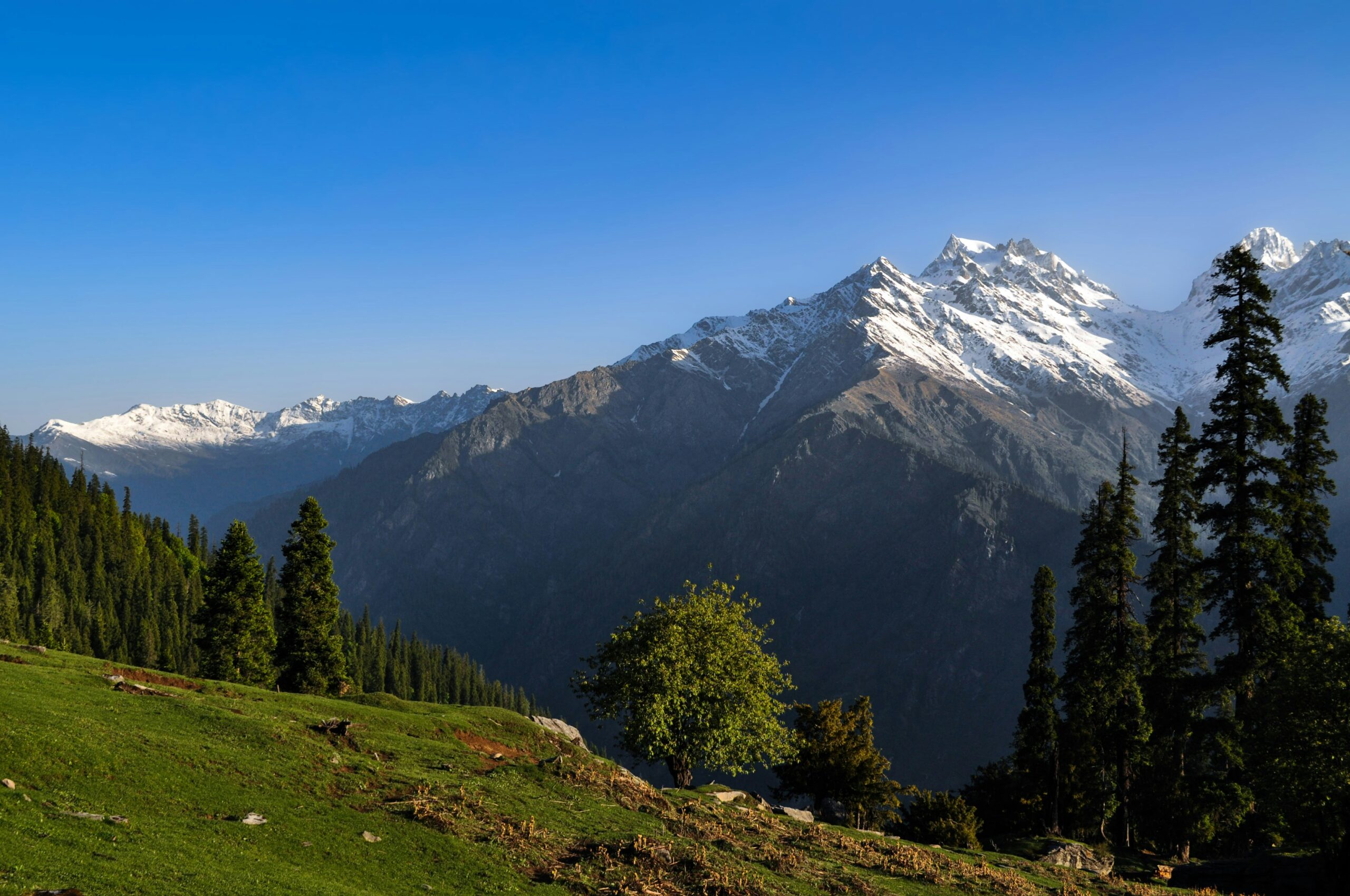
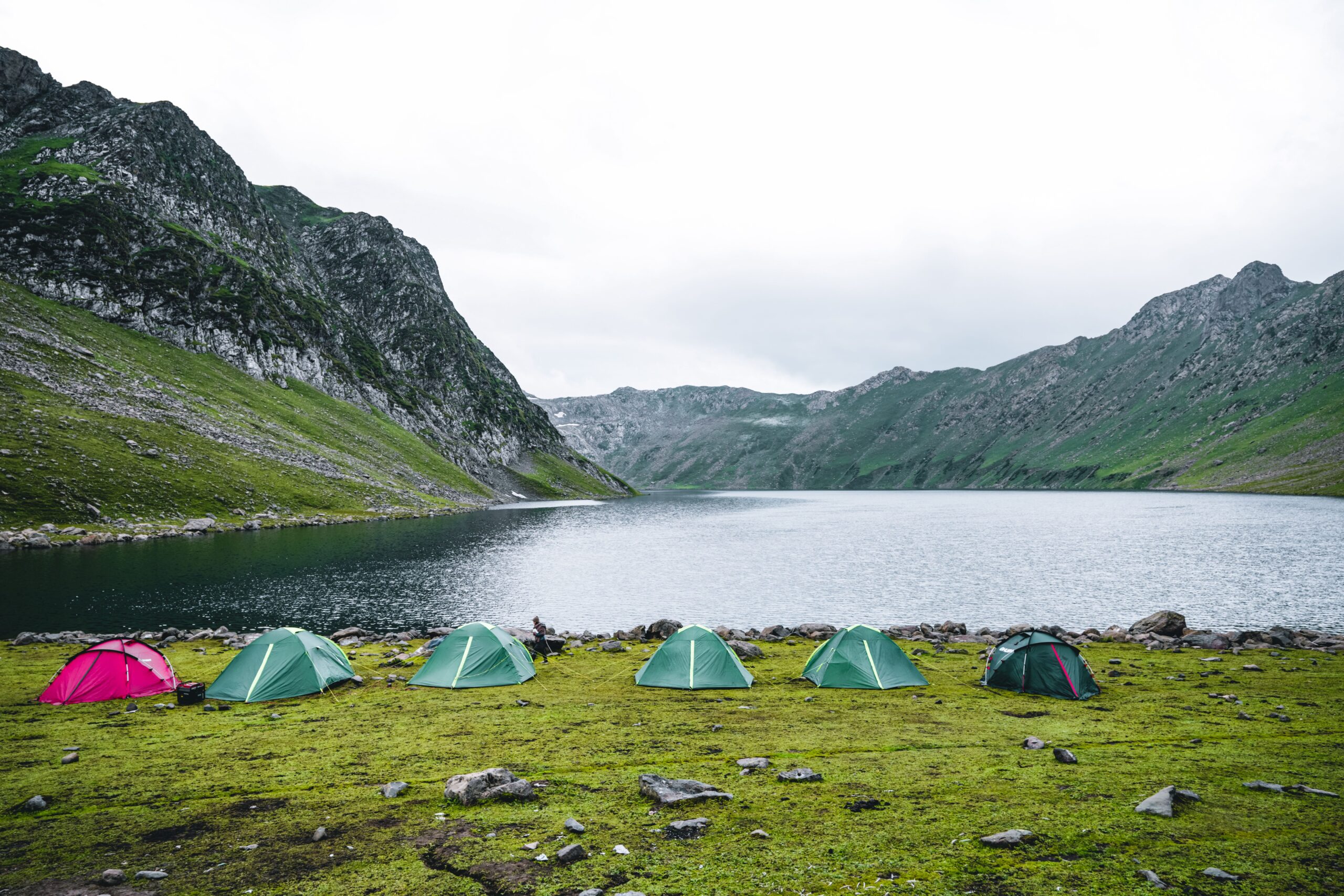
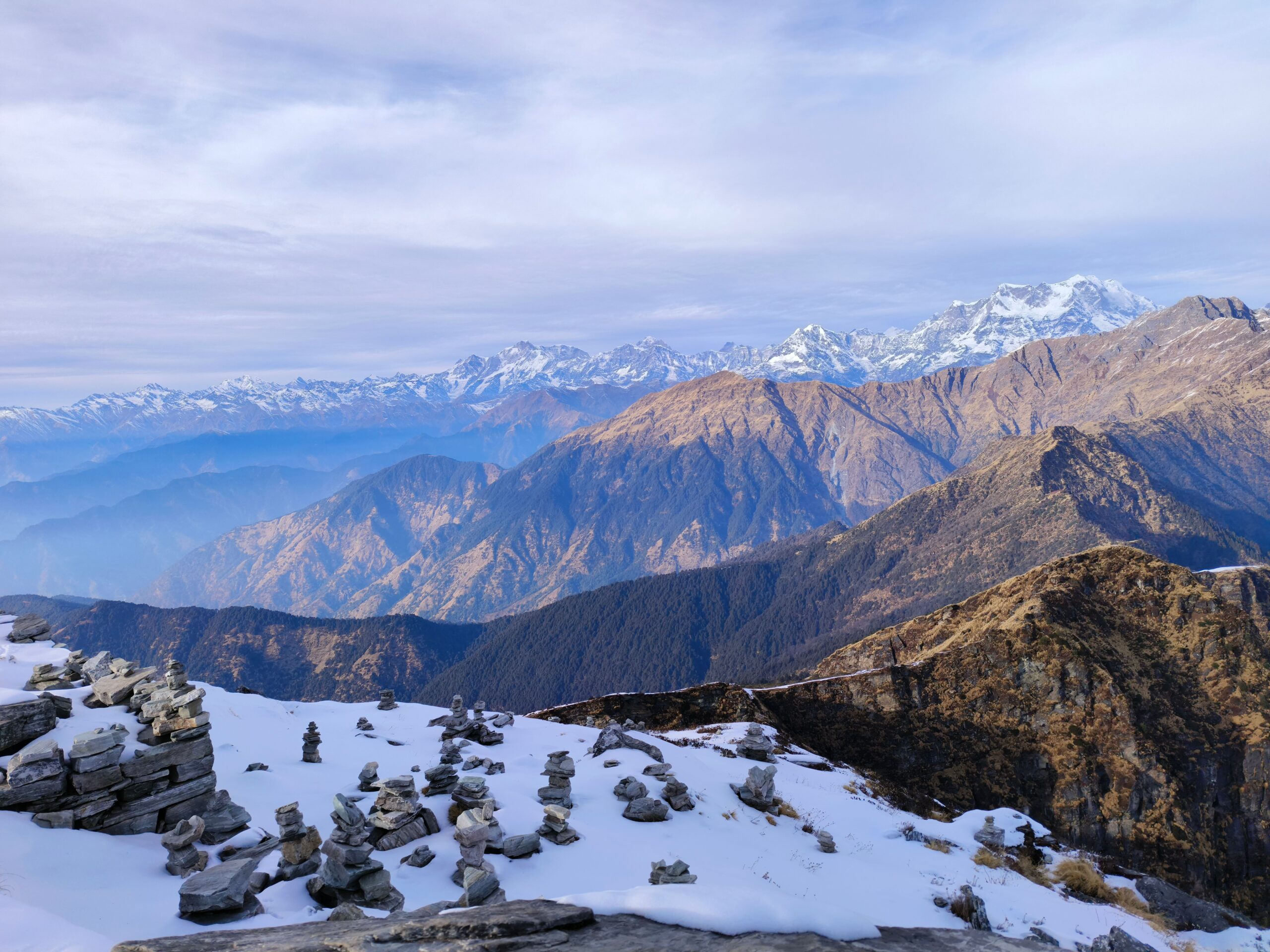
The Kashmir Great Lakes Trek is moderate to difficult, and it is more demanding than many popular beginner treks. The main challenge is not one steep climb. It is walking for 6 to 8 hours on several days, crossing high mountain passes, and dealing with rough ground and changing weather while your body adjusts to high altitude. The route usually covers around 65 to 75 km over six trekking days, though the exact distance depends on the operator and route. Gadsar Pass reaches about 13,715 ft on one widely used itinerary. You need good stamina, strong legs and steady training before you go.
You do not need to be an expert trekker. However, if you have never walked long distances or trained on hills, do not treat this as an easy first trek. Build your fitness first and check your trek operator’s entry rules.
Difficulty factor | Rating out of 5 | Why it matters |
Daily distance | 4/5 | Several days involve long walks |
Altitude | 4/5 | Camps and passes are above 10,000 ft |
Climbs and descents | 4/5 | You cross high passes and descend steep slopes |
Trail surface | 4/5 | Loose stones, rocks and uneven ground can slow you down |
Weather | 3/5 | Rain, cold, wind and snow patches can make walking harder |
Remoteness | 4/5 | Help and exit routes may not be close at hand |
The trek feels hard because these challenges come together. A long day can be tiring even when the trail is not very steep. A pass crossing may feel much harder if you have slept poorly, have a heavy backpack or are struggling with altitude.
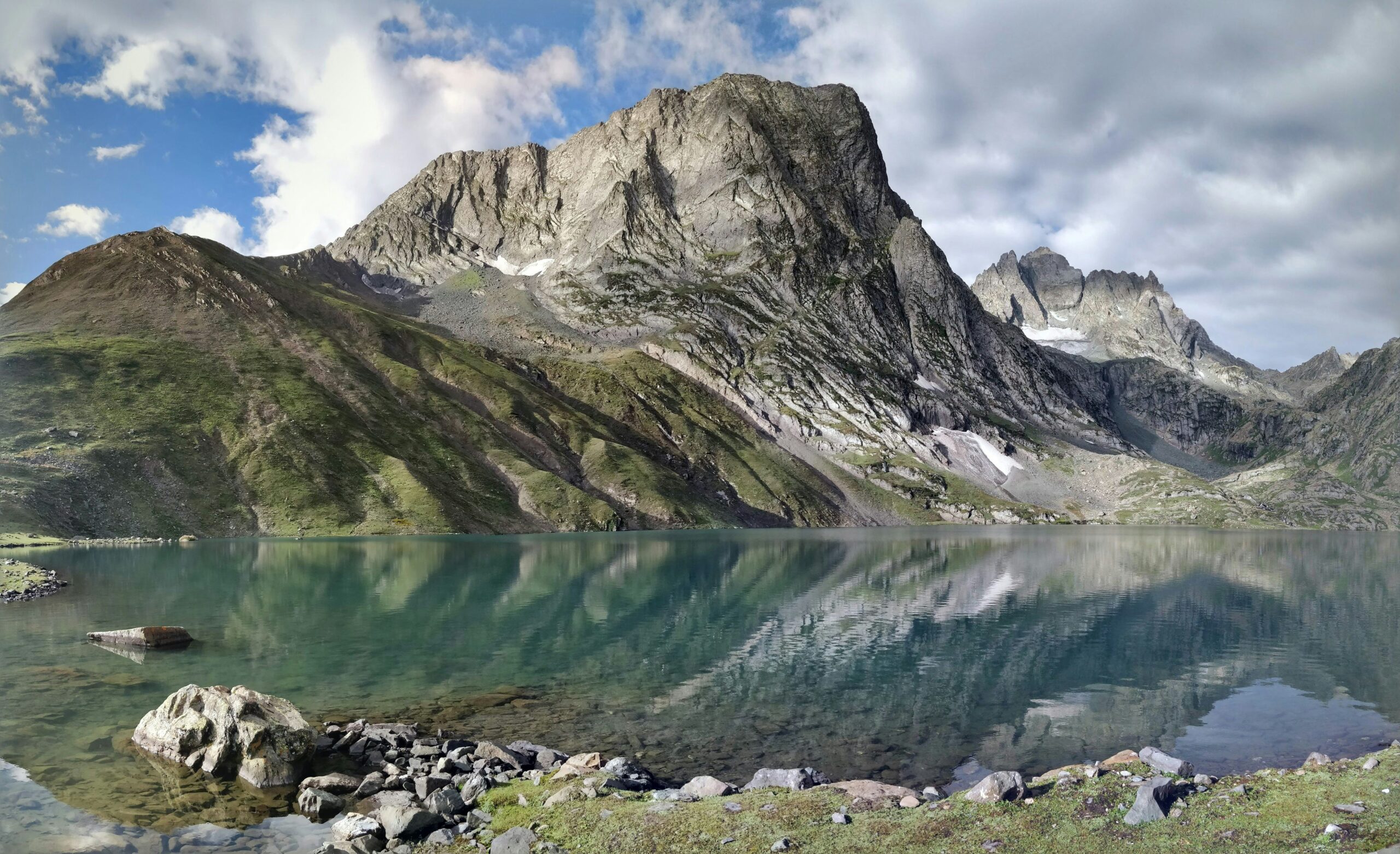
Kashmir Great Lakes Trek Difficulty: Day-Wise Breakdown
The table below follows a commonly published route from Shitkadi to Naranag. Distances, camp heights and walking times can change between operators. Use your own operator’s itinerary for final planning.
Day | Route | Approx. distance | Approx. camp altitude | High point or main challenge | Difficulty |
1 | Reach the base near Shitkadi | Drive day | Around 8,150 ft | Travel and preparation | Easy |
2 | Shitkadi to Nichnai | 11.6 km | 11,607 ft | Long climb towards the camp | Moderate |
3 | Nichnai to Vishnusar | 13.5 km | 12,011 ft | Nichnai Pass, around 13,229 ft | Moderate to difficult |
4 | Vishnusar to Gadsar | 16 km | 10,706 ft | Gadsar Pass, around 13,715 ft | Difficult |
5 | Gadsar to Satsar | 11.5 km | 11,985 ft | Climb followed by easier sections | Moderate |
6 | Satsar to Gangabal | Around 9 km | 11,486 ft | Zaj Pass, around 13,276 ft, and rocky ground | Difficult |
7 | Gangabal to Naranag | 13 km | Around 7,800 ft | Long, steep descent | Moderate to difficult |
These figures are from one published itinerary. Other operators may list different distances, heights or walking times.
Which day is the hardest?
Day 4 is often one of the toughest because it is the longest day in this itinerary. You climb to Gadsar Pass and then descend before reaching camp. The total distance and change in height can leave your legs tired.
Day 6 is also demanding, even though it is shorter. The route crosses Zaj Pass and includes rocky ground and repeated climbs and descents. This shows why distance alone does not tell you how hard a day will be.
Day 7 brings another challenge: a long descent to Naranag. Walking downhill for hours can hurt your knees and tire your thighs, especially if your legs are already sore.
What Fitness Level Do You Need?
You should be able to walk for several hours, climb stairs without stopping often and recover well enough to walk again the next day. A single long walk is not enough preparation because the trek asks you to repeat the effort over several days.
Some operators set a timed running test. For example, Indiahikes lists a 5 km run in under 32 minutes and regular jogging as part of its fitness requirements. These are that operator’s rules, not a universal test for every Kashmir Great Lakes trek. Check the current rules of the company you plan to book with.
Before the trek, work towards these goals:
- Walk 8 to 10 km on mixed or hilly ground at a steady pace.
- Climb stairs or a hill for 30 to 45 minutes.
- Complete two longer walks on back-to-back days.
- Train with the shoes and backpack you plan to use.
- Recover well after exercise and avoid starting the trek with an injury.
These are preparation goals, not a guarantee that you are safe at altitude.
How Much Does Altitude Add to the Difficulty?
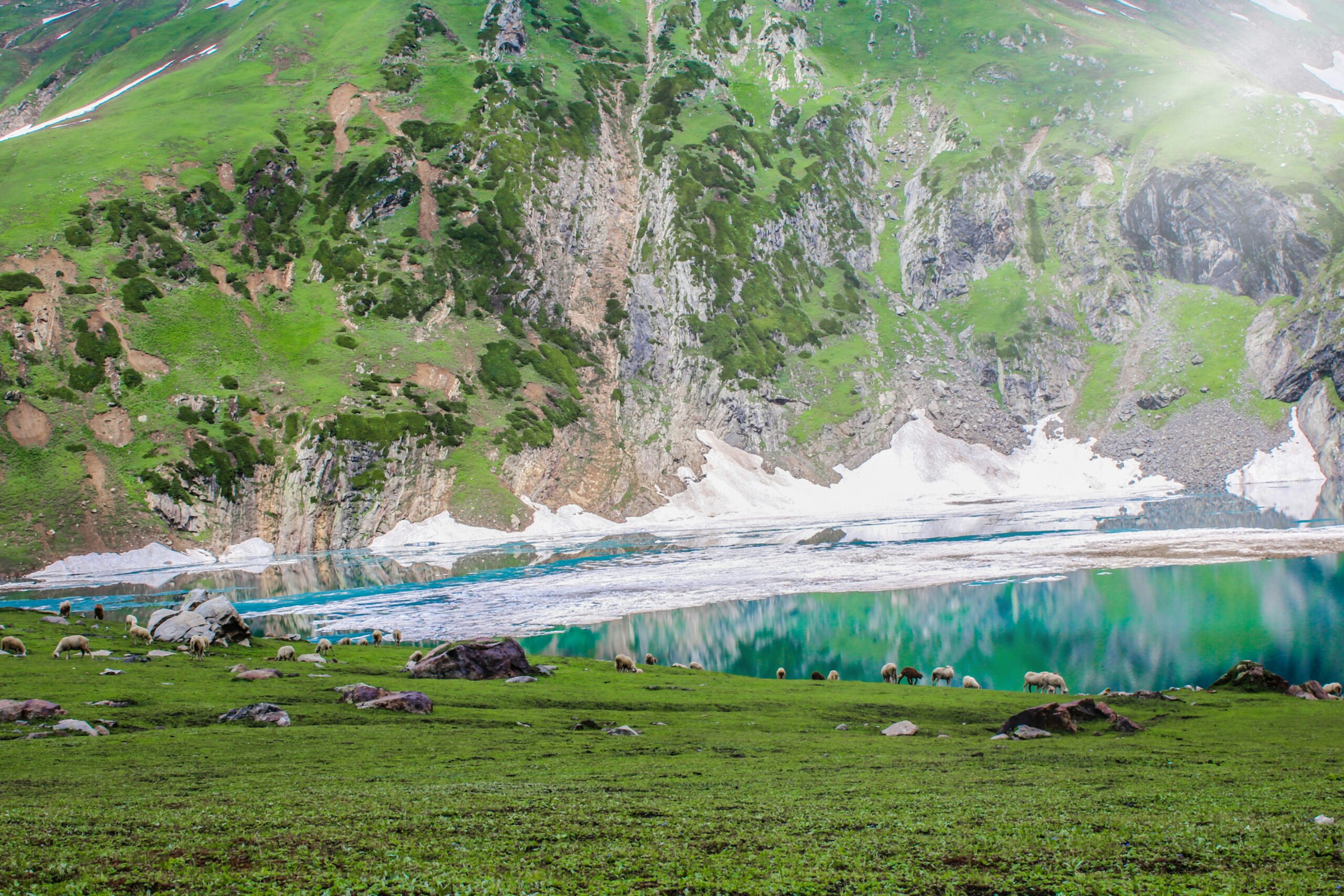
Altitude is a major reason this trek needs careful preparation. At high elevations, there is less oxygen available with each breath. You may feel tired sooner, have a headache or feel sick even if you are fit at sea level. Acute mountain sickness (AMS) can cause a headache, nausea, dizziness, tiredness or poor sleep. Do not assume these symptoms are just normal trekking fatigue. Tell your trek leader and do not climb higher while symptoms are present.
Confusion, trouble walking straight, breathlessness while resting or a worsening condition are danger signs. They need urgent medical help and descent. Do not continue just to reach the next lake or camp.
There is no single acclimatisation plan that suits every trekker. Ask your operator how the itinerary manages altitude, whether a buffer day is available and what emergency support is provided. A pulse oximeter reading can offer one piece of information, but it cannot rule out altitude sickness on its own. Discuss altitude medicines with a doctor; do not start them without medical advice.
What About Emergency Exits and Phone Network?
The Kashmir Great Lakes route is remote. You should not expect a quick road exit from every camp, and rescue time depends on weather, location, daylight and access. There is no reliable single evacuation time for the whole trek. Ask your operator where the planned exit points are, how the team contacts rescue support and what happens if a trekker becomes ill. Confirm the plan before you pay.
Mobile coverage is limited or absent across many parts of the trail. Do not rely on your phone to call for help, use maps or make payments. Keep emergency contacts written down, carry enough cash for travel needs and follow your trek leader’s communication plan.
Frequently Asked Questions
Is Kashmir Great Lakes harder than Hampta Pass?
Kashmir Great Lakes usually requires more total walking over several days. Hampta Pass also has a high and demanding pass crossing. The difficulty depends on your itinerary, weather and fitness.
Can I do Kashmir Great Lakes as my first trek?
Yes, if you are fit, train properly and meet your operator’s requirements. If you have little walking experience, start with a shorter trek first.
How many hours do you walk each day?
Many trekking days take around 4.5 to 7.5 hours in the itinerary shown above. Some days may take longer because of weather, trail conditions, rest breaks or a slower pace.
What if I fail the fitness test?
Follow the operator’s current rules. It may ask you to improve your fitness before joining or may not approve your booking. Do not hide a failed test or try to rush your training.