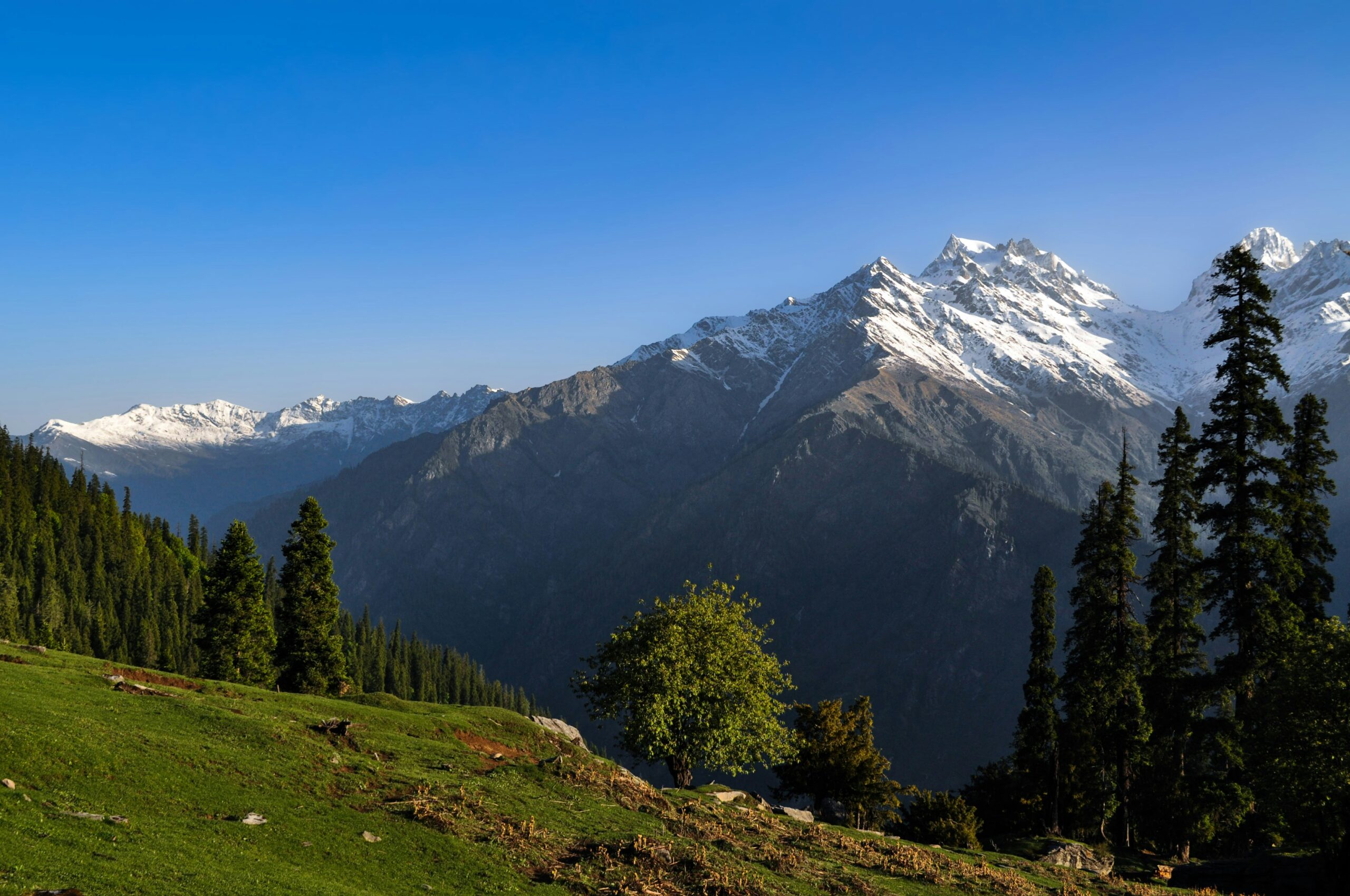
You should prepare for the Tarsar Marsar Trek for at least 6 to 8 weeks, with a clear goal of walking 5 km at a steady pace, climbing stairs, and handling long days on uneven ground. Some trek operators set a timed fitness test, so check your operator’s exact rule before you book. The trek is more than a walk to two pretty lakes. You spend several days in the mountains, climb to high camps, and walk on slopes that can tire your legs even when the path looks easy. You may feel strong on the first day and still struggle on a later climb if you have not trained for repeated effort.
You do not need to be a runner or a gym expert. But you do need a plan that builds stamina, leg strength, balance, and the ability to recover overnight. Here is how to check Tarsar Marsar trek fitness and prepare for the trail.
How Fit Do You Need to Be for the Tarsar Marsar Trek?
A useful starting target is to walk or jog 5 km in about 35 minutes, if that matches your operator’s fitness rule. This is a benchmark, not a guarantee that you are ready for every part of the trek. The route is commonly described as moderate, but it still asks a lot from your body. Indiahikes lists a route of about 47.6 km over six trekking days, with several days spent above 10,000 ft. Other operators use different routes and report different distances, so check the itinerary you will follow.
Before booking, use these three checks to judge your starting point. They are training goals, not official rules for every operator.
- Walking test: Can you walk 5 km at a steady pace without needing long breaks?
- Stair test: Can you climb several flights of stairs without losing control of your breathing?
- Long-walk test: Can you walk for 2 to 3 hours, then recover well enough to exercise again two days later?
If these feel hard today, that does not mean you cannot do the trek. It means you should start early and build up in small steps.
What Makes Tarsar Marsar Physically Demanding?
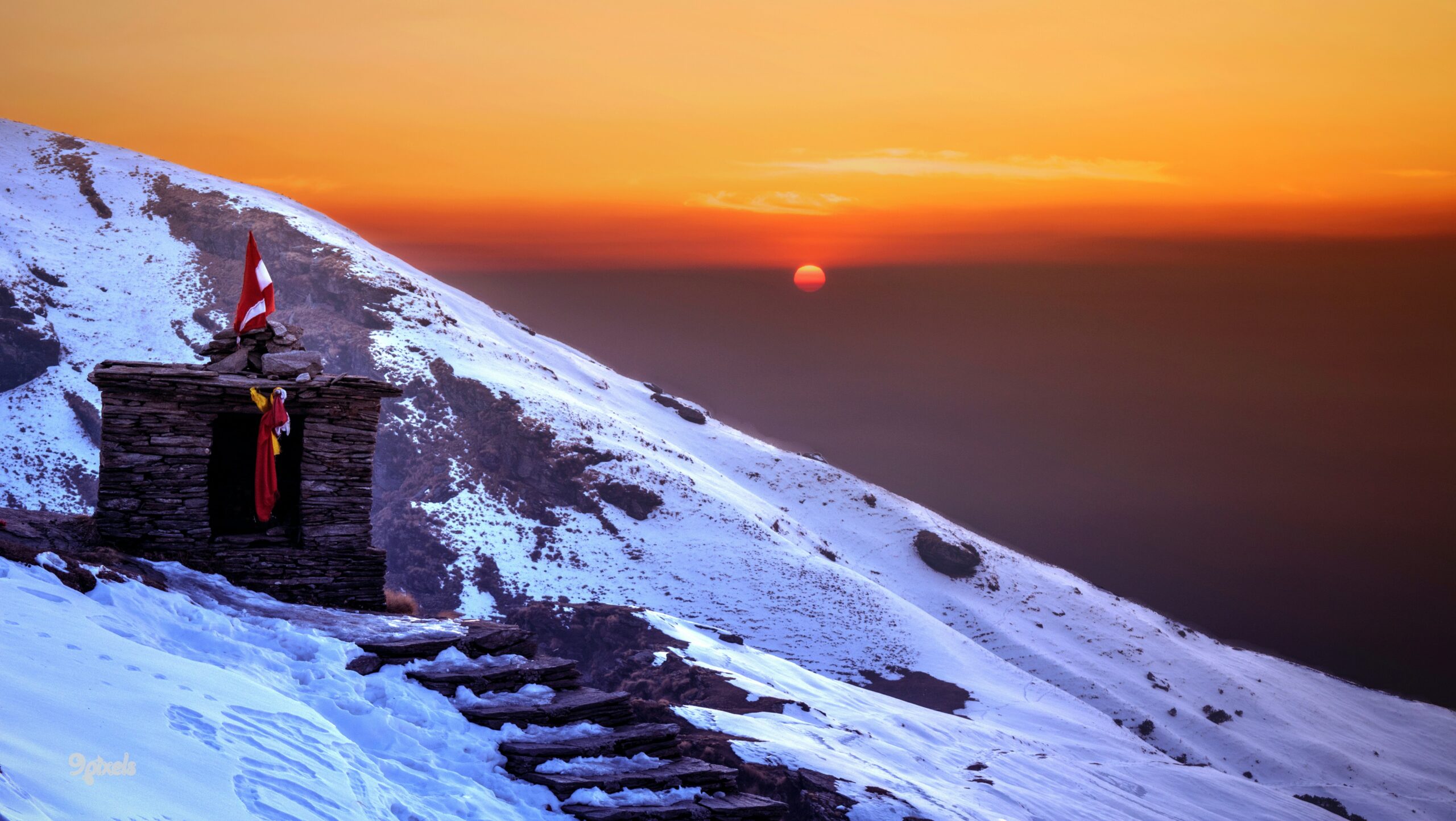
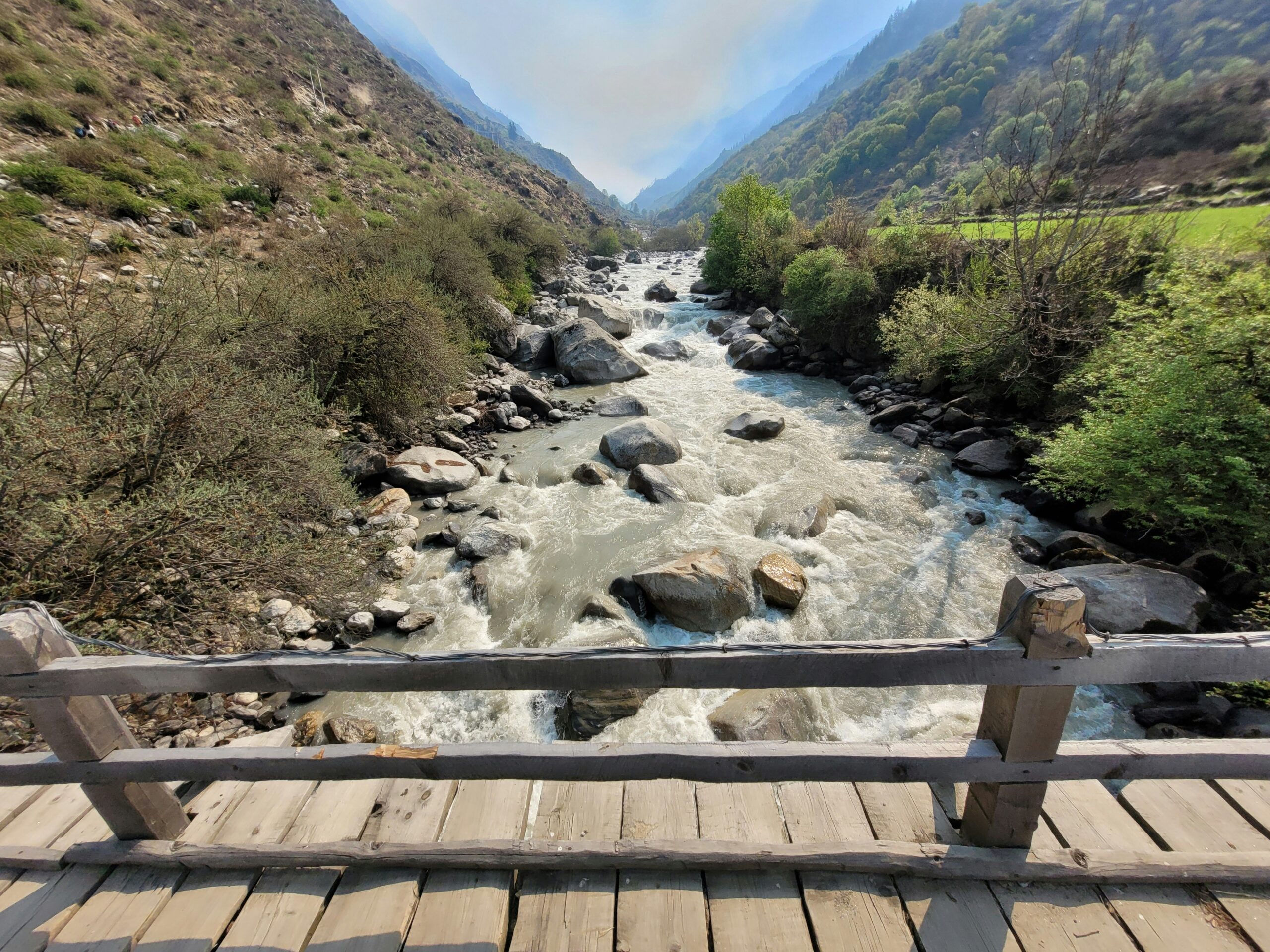
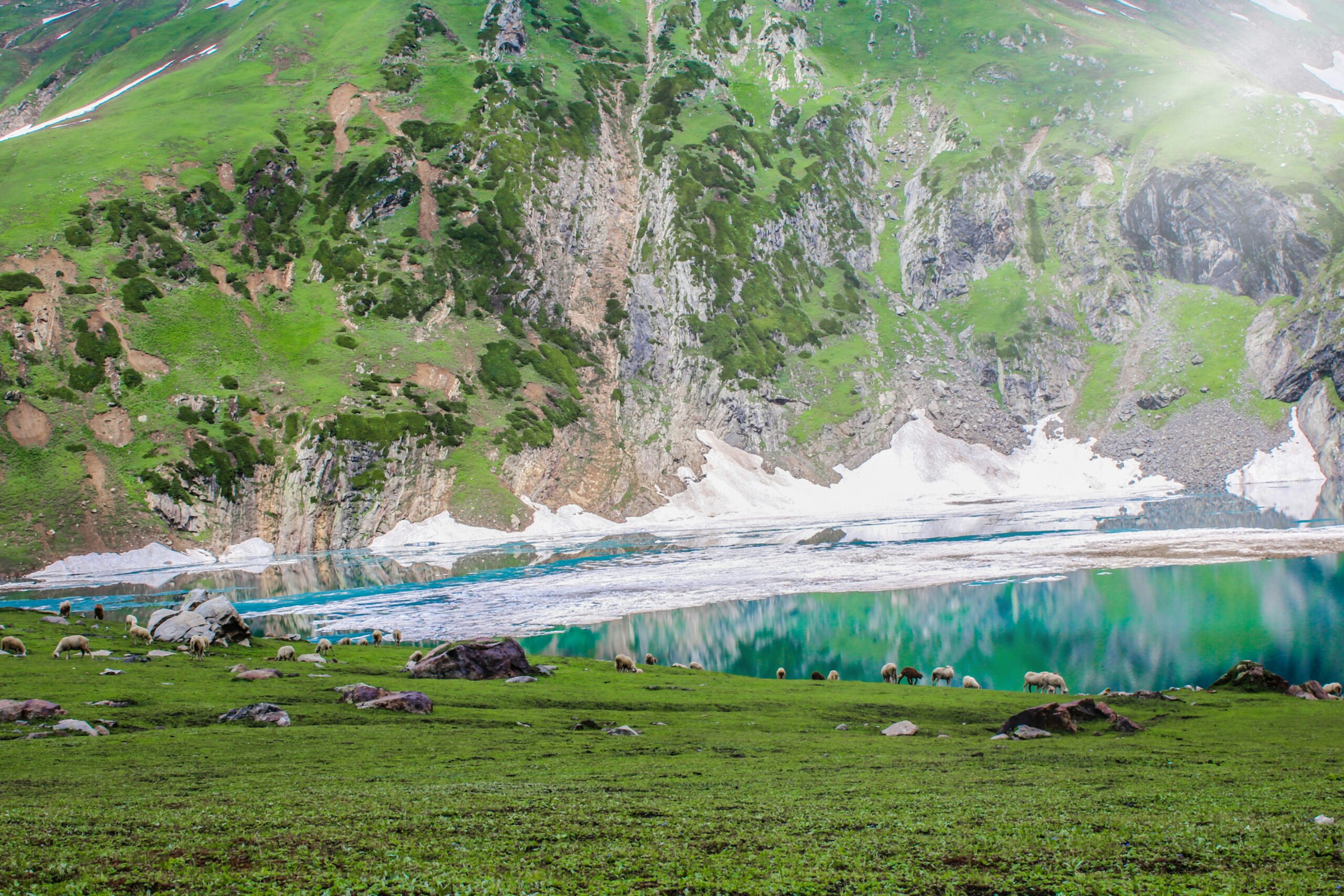
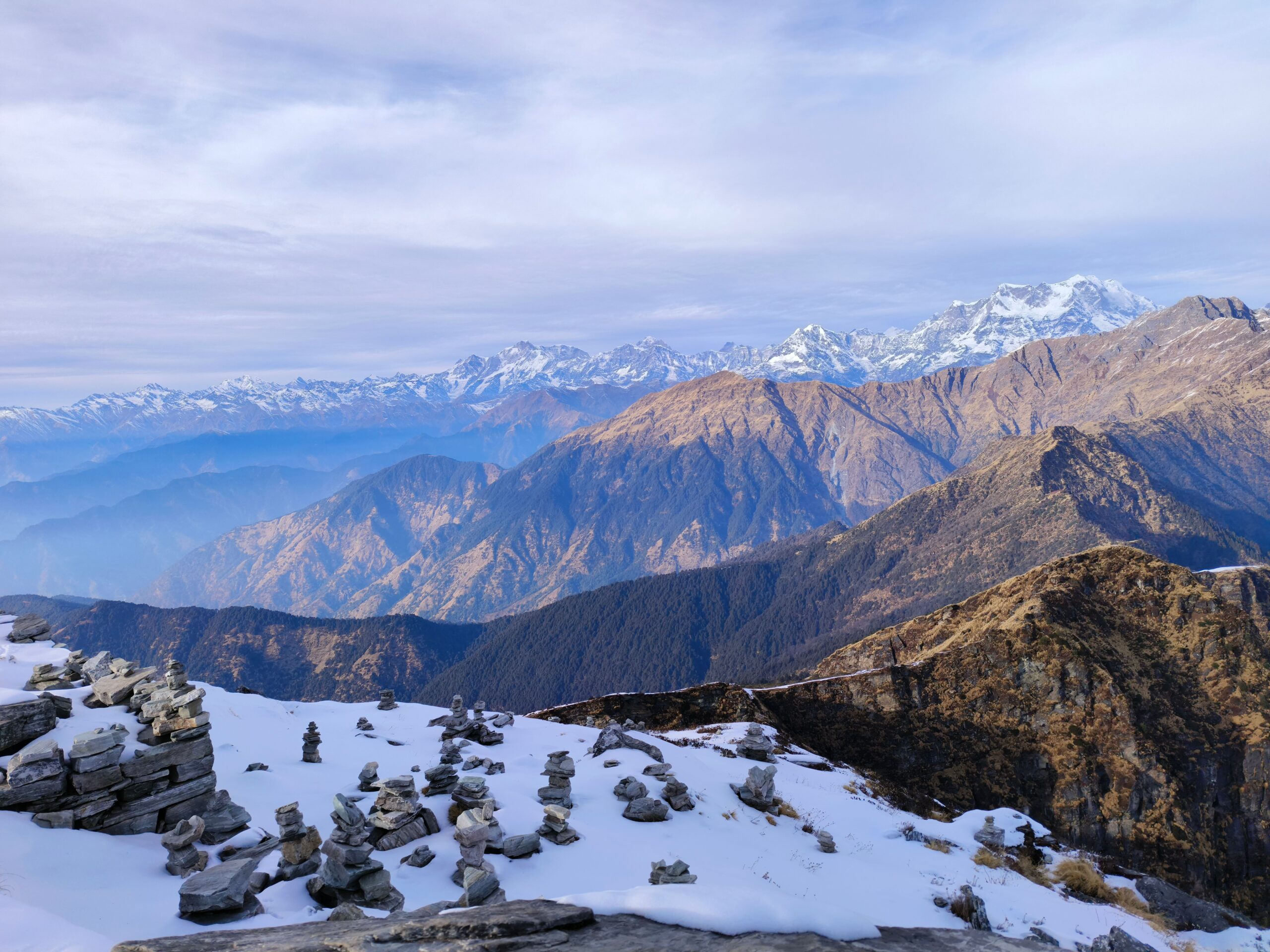
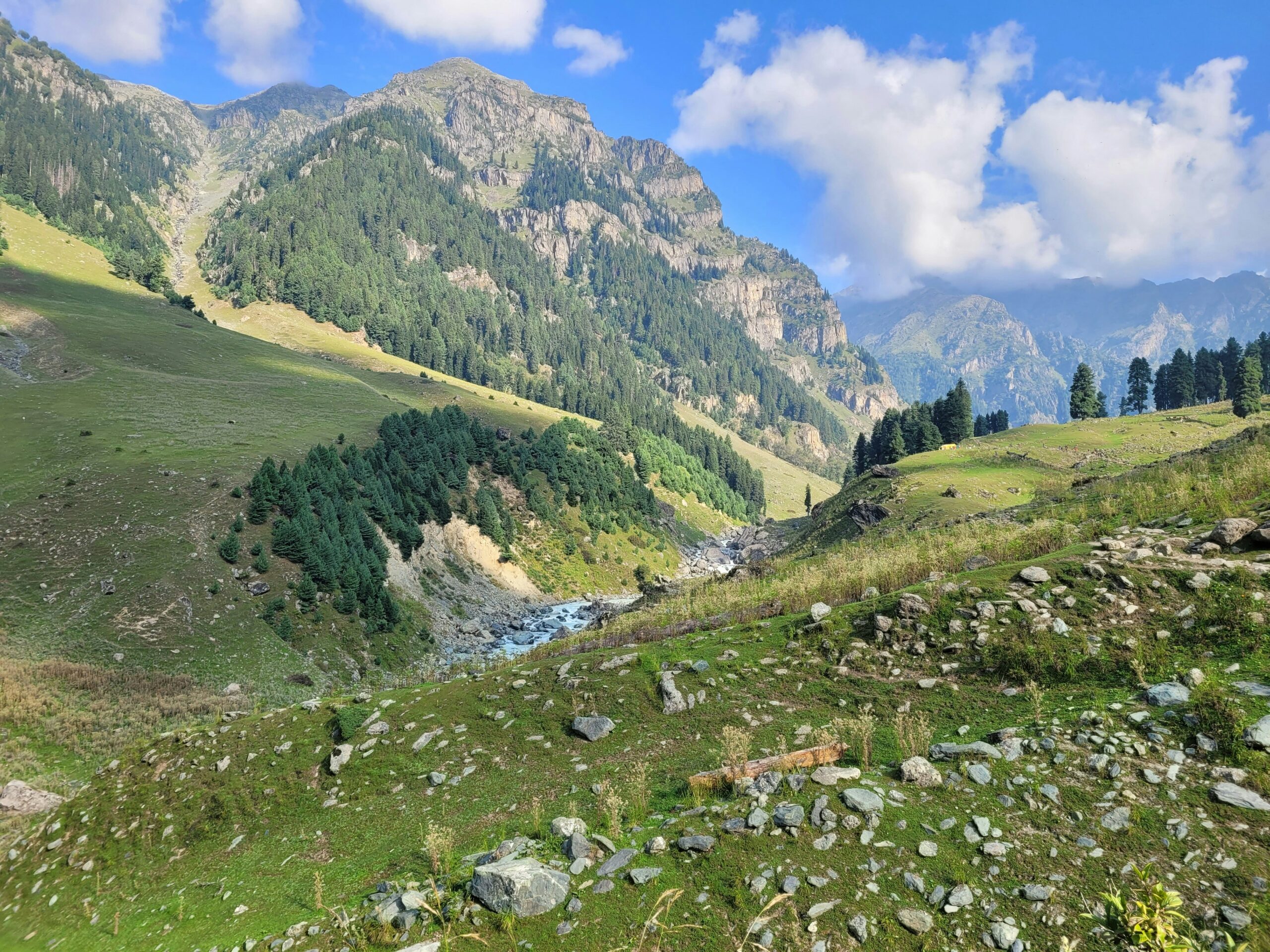
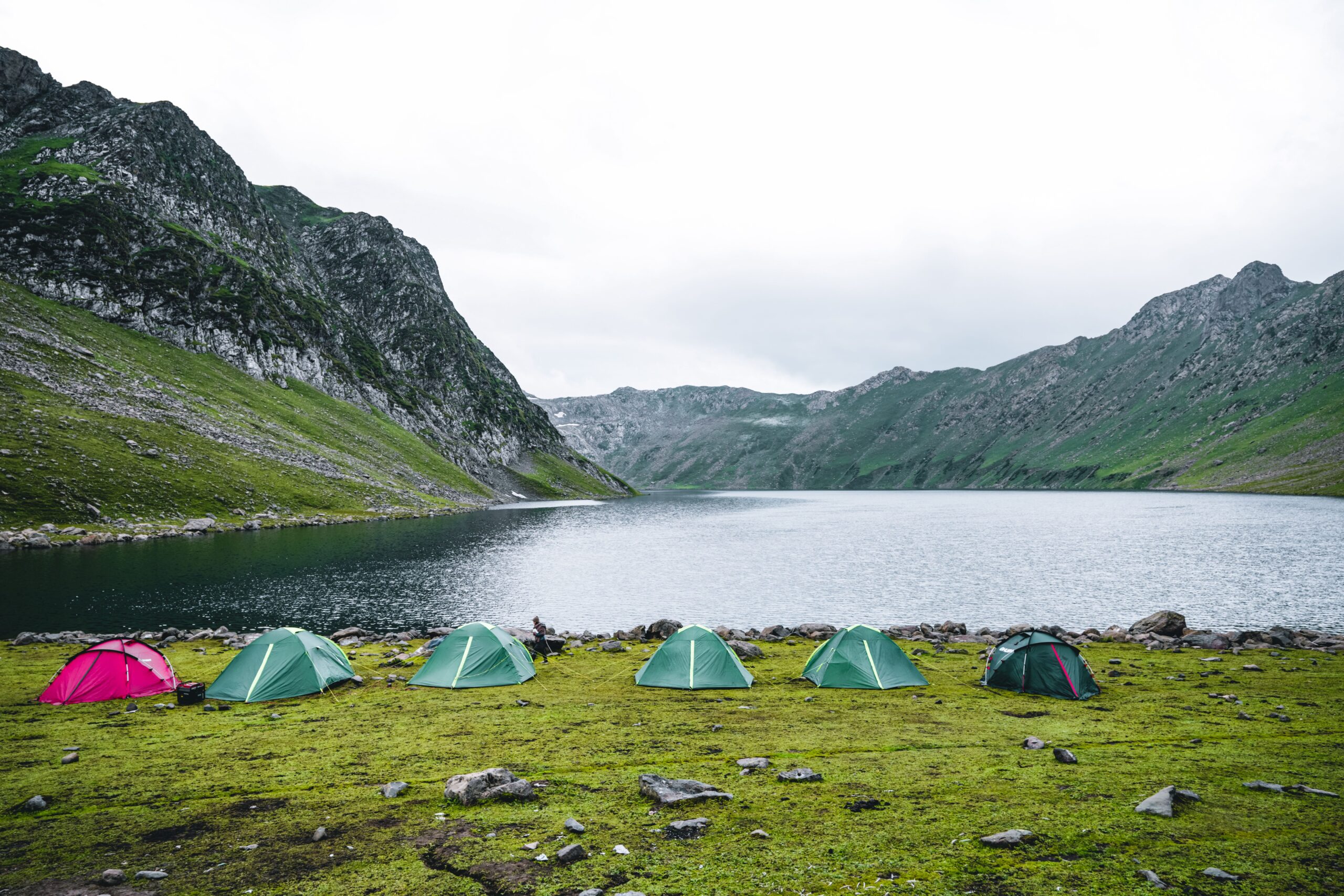
The trek starts near Aru in Kashmir and leads through meadows, forests, high camps, and alpine lake country. The ground changes along the way. You may walk on soft grass in one section and loose stones or steep slopes in another. Tarsar Lake sits at roughly 12,400 ft, while the route’s high point is around 13,000 ft or more, depending on the itinerary. At that height, you may feel more breathless than you would at home, even when walking slowly. Fitness helps you manage the effort, but it does not prevent altitude sickness.
Long descents also deserve attention. Your thighs and knees work hard as you lower your body over rocks and uneven ground. That is why good preparation includes downhill practice, not just running or climbing stairs.
Tarsar Marsar Trek Fitness: An 8-Week Training Plan
If you have eight weeks, use them to build your fitness in stages. Start with regular walks, add stairs and strength work, then practise longer walks with a light backpack. Do not jump straight into hard runs if you have been inactive for months. The plan below is a general guide for a healthy adult. Your starting level may be different, so repeat a week if you need more time. The aim is steady progress, not exhaustion.
Week | Walking and cardio | Strength and hill practice |
1 | Walk 3 to 4 km, 4 days | 2 short strength sessions |
2 | Walk 4 to 5 km, 4 days | Add 5 to 10 minutes of stairs |
3 | Walk 5 km, 3 days; try gentle jogging if ready | 2 strength sessions; practise stairs |
4 | Walk 5 to 6 km, 3 days; take one longer walk | Add gentle slopes and controlled downhill steps |
5 | Walk 6 to 7 km, 3 days; one 8 km walk | Practise with a 2 to 3 kg backpack |
6 | Walk 6 to 8 km, 3 days; one 8 to 10 km walk | Add hills and carry your planned daypack |
7 | Walk 5 to 8 km on 3 days; one 10 to 12 km walk | Practise uneven ground and downhill walking |
8 | Keep walks moderate and check your fitness target | Reduce hard workouts before departure |
The distances are training targets, not a test you must pass every week. If you can already jog 5 km comfortably, you can focus more on hills, strength, and longer walks. If you are starting from a low fitness level, build up slowly instead of trying to catch up with the table.
A Simple Weekly Schedule
A fixed routine makes training easier to follow. Here is one way to arrange your week once you can walk comfortably for 30 to 45 minutes.
- Monday: Brisk walk for 30 to 45 minutes.
- Tuesday: Squats, lunges, calf raises, and planks.
- Wednesday: Walk on stairs or a gentle slope.
- Thursday: Easy walk or rest, based on how your legs feel.
- Friday: Strength training and balance exercises.
- Saturday: Your longest walk of the week, with a light backpack when ready.
- Sunday: Rest and recover.
Keep the pace easy enough to finish each session with some energy left. If your knees hurt or your legs feel heavy for several days, reduce the load and recover before adding more work.
How to Train for Climbs, Descents and a Backpack
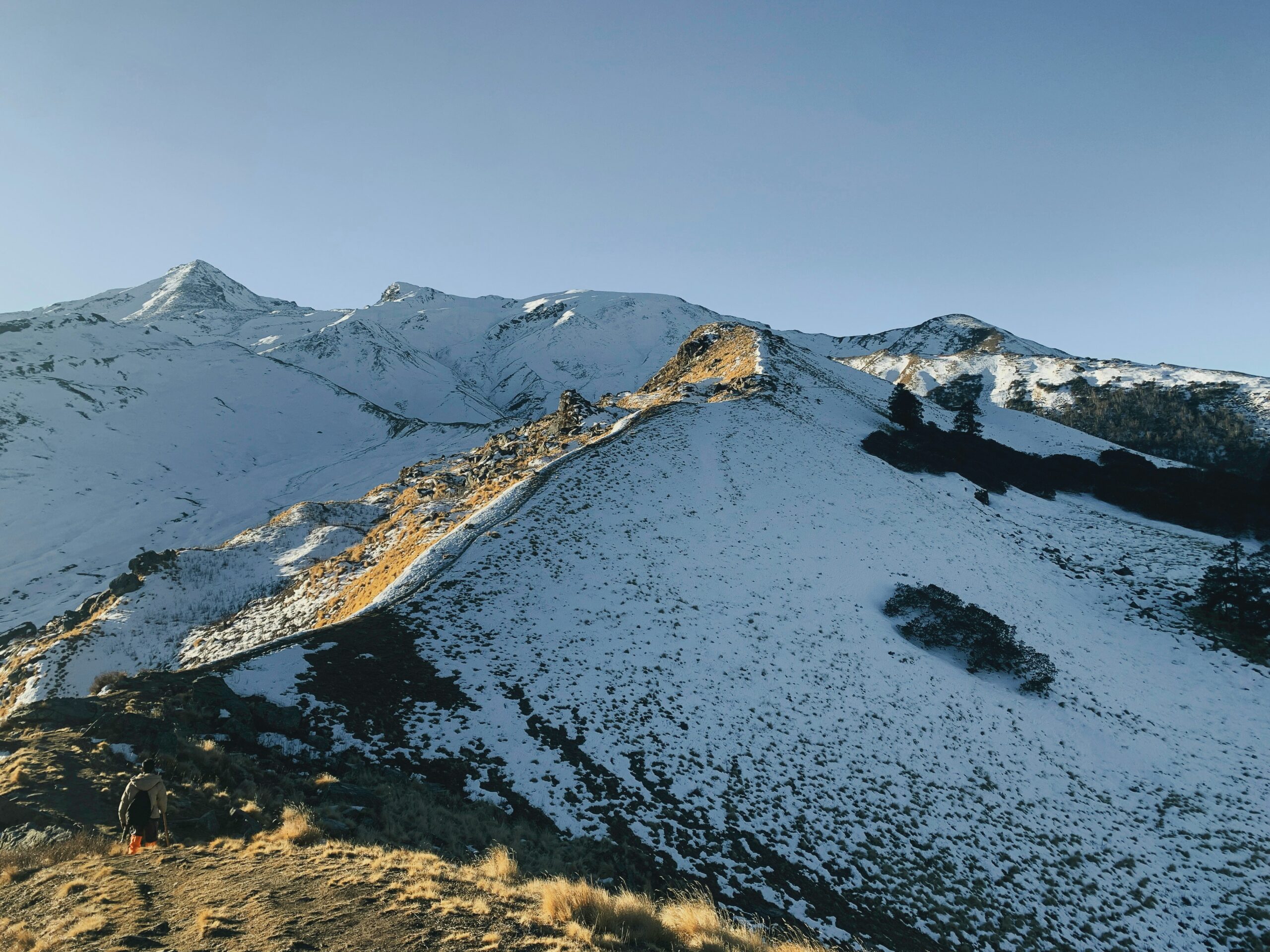
The steep climb towards Tarsar Pass and the rough ground near the Marsar viewpoint need more than general cardio fitness. Indiahikes lists the pass at about 13,140 ft and a route section from Sundarsar to Homwas via Marsar at around 9 km and seven hours. Its final Homwas to Aru section is about 13 km and six hours. These figures belong to that operator’s itinerary, so your own route may differ. Practice going downhill at a slow pace. Take short steps, keep your knees slightly bent, and avoid jumping from rock to rock. Trekking poles can help with balance and reduce some of the load on your legs, but learn to use them before the trek.
For backpack practice, begin with 2 to 3 kg and increase the load only when you feel comfortable. Ask your operator how much you must carry yourself. A heavy bag can change how you walk, especially on steep ground, so there is no need to train with more weight than your trip requires.
Can You Do Tarsar Marsar Without Running?
Yes, you can build useful trekking fitness without running, provided your operator accepts your chosen form of training and you meet its fitness criteria. Brisk walking, stair climbing, hill walks, and strength work are good ways to prepare. Running may help improve cardio fitness, but it is not worth risking a knee or ankle injury by starting too hard.
If you want to add jogging, begin with short intervals. Alternate one minute of gentle jogging with two minutes of walking, and repeat for 15 to 20 minutes. Increase the jogging time only when you can finish without pain or unusual breathlessness.
Altitude Safety: What Fitness Cannot Fix
Even a very fit person can develop acute mountain sickness at high altitude. The body needs time to adjust to lower oxygen levels, and exercise cannot replace acclimatisation. Follow your trek leader’s ascent plan and do not climb higher to sleep if you have symptoms of altitude sickness.
A headache with nausea, dizziness, or unusual tiredness after gaining altitude should never be ignored. If symptoms worsen, tell your trek leader and descend as advised. Confusion, poor balance, or breathlessness at rest needs urgent help and immediate descent.
If you have heart or lung disease, high blood pressure that is not well controlled, or another condition that may affect exercise at altitude, speak with a doctor before booking. Ask about medicines such as acetazolamide only through a qualified clinician. Do not take altitude medicine on your own or use a pulse oximeter reading as the only sign that you are safe.
Frequently Asked Questions
Is Tarsar Marsar harder than Kedarkantha?
Both treks need good preparation, but the challenge depends on the route, season, weather, and your fitness. Tarsar Marsar has several long walking days and high camps, while Kedarkantha has its own steep summit climb. Compare the actual itineraries rather than choosing by difficulty label alone.
What if I fail the fitness test?
Contact your trek operator as soon as you know you are falling short. Ask whether you can move to a later batch or have time to train further. Do not try to pass by overtraining in the final few days.
How long before the trek should I start training?
Six to eight weeks is a useful starting point for someone who is already somewhat active. If you have not exercised for a long time, give yourself more time. A slow, steady plan is safer and more useful than a sudden burst of hard workouts.